%20(1).png?width=600&height=338&name=menu_thumbnail%20(4)%20(1).png)
%201.svg)


How Olympus Ventures used drawdown funds, co-investment and secondaries to transition to private markets
Key Takeaways
- Mike Elliot of Olympus Ventures discusses their transition to private market investing.
- Olympus Ventures chose to make allocations into private markets through fund commitments, co-investment and secondary (i.e. resold) private equity commitments.
- Private market investments begin with many years of outflows before distributions begin. Olympus Ventures was able to largely mitigate this by adding secondaries, which return cash more quickly, to its private allocation.
- He believes direct investments can be a "minefield" and investors need to take special care in considering these opportunities.
Transcript
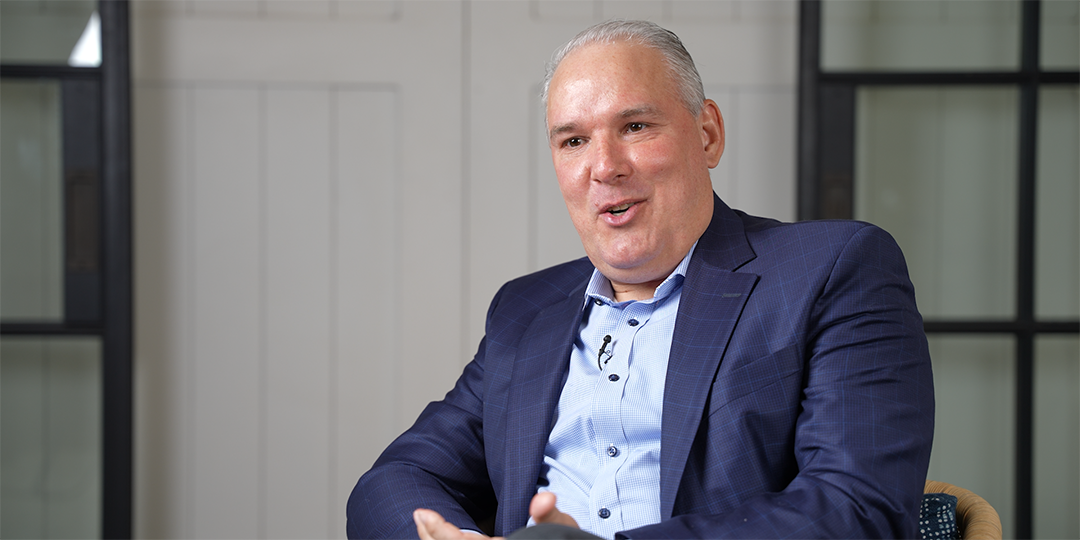
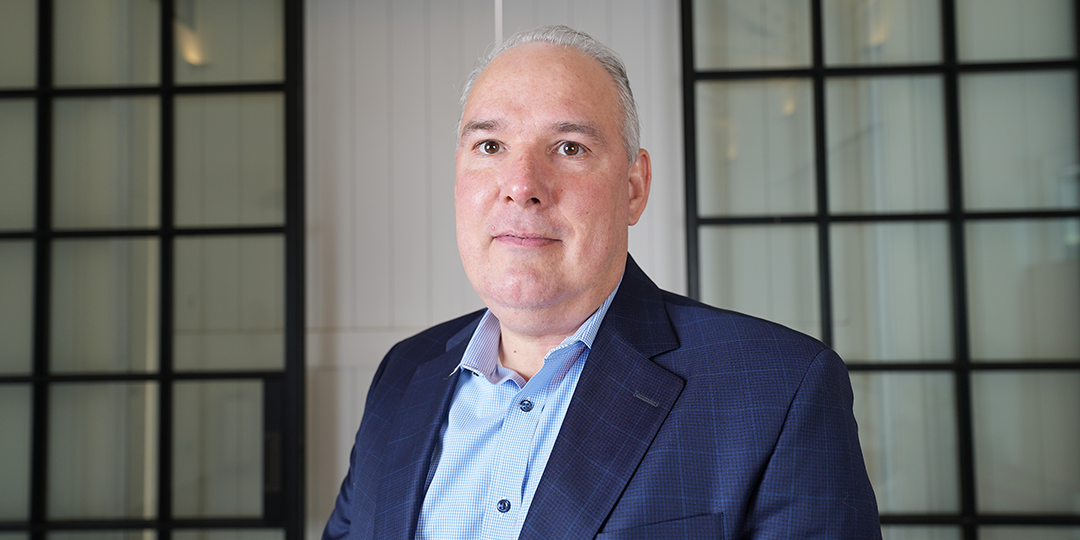
My name is Mike Elliott, and I work at Olympus Ventures, which is a family office for the Schultz family, the founders of Best Buy.
The primary goals of the portfolios we manage are all growth-oriented. One of the advantages of family office is that you can take the best of what investment professionals have to offer. Compare that to the advantages that the family has in terms of their investment horizon, their liquidity needs or lack thereof, and where they're able to take advantage of their unique situation and apply that to the capital markets to get returns either above-market or market returns with less risk. And that's our goal.
Five years ago, we made a really big pivot to private markets. We did it through kind of three channels. We made manager commitments, so LP commitments to funds, we started co-investing in a much more meaningful way.
In part of the LP commitments, we did a tranche of secondary private equity commitments. The advantage of the secondaries was that they return cash pretty quickly, so they have a nice IRR, their multiple is a little bit low, but you have the benefit of getting that cash flow going.
So in a private market portfolio, when you're really ramping it up, you have this five-year period where you're just feeding the portfolio and not getting much back. You end up having some concerns, or some questions on, is this doing what we wanted to do?
We're putting a lot of money in it. We see the J Curve, it's actually worth less, and we thought this was the path to great returns. And so it takes a little while to see that come out of the J curve and be comfortable with it. By adding the secondaries in with co-investments, for us, it's sped up that period. We actually avoided the entire J Curve. And then from there, we've done small direct investments, but we think that that's actually a minefield that we're pretty wary of, and we've been very selective then how we do the direct investments.
Important disclosures
Opto Investment Management, LLC (the “Firm”) is a wholly-owned subsidiary of Opto Investments, Inc. and is an SEC-registered investment advisor. Registration with the SEC does not imply a certain level of skill or training. SEC registration does not mean the SEC has approved of the services of the investment adviser. This website is operated and maintained by Opto Investments, Inc. Certain products described herein and institutional relationships may involve investment advisory services provided by the Firm. This website is presented for financial institutions and investment professionals only and is not intended for individual consumers or retail investors, unless specifically noted. Unless otherwise indicated, commentary on this site reflects the personal opinions, viewpoints and analyses of the author and should not be regarded as a description of services provided by the Firm or its affiliates. The opinions expressed here are for general informational purposes only and are not intended to provide specific advice or recommendations for any individual on any security or advisory service. It is only intended to provide education about the financial industry. The views reflected in the commentary are subject to change at any time without notice. While all information presented, including from external, linked or independent sources, is believed to be reliable, we make no representation or warranty as to accuracy or completeness. We reserve the right to change any part of these materials without notice and assume no obligation to provide updates. Nothing on this site constitutes investment advice, performance data or a recommendation that any particular security, portfolio of securities, transaction or investment strategy is suitable for any specific person. We disclaim any responsibility for information, services or products found on linked websites. Images and photographs are included for the sole purpose of visually enhancing the website. None of them show current or former clients and should not be construed as an endorsement or testimonial. All investing is subject to risk, including loss of principal. Historical performance is not a guarantee of future performance and clients may experience different results. This information contains certain “forward-looking statements,” which may be identified by the use of such words as “believe,” “expect,” “anticipate,” “should,” “planned,” “estimated,” “potential” and other similar terms. Examples of forward-looking statements include, but are not limited to, estimates with respect to financial condition, results of operations, and success or lack of success of the depicted investment strategy. All are subject to various factors, including, but not limited to general and local economic conditions, changing levels of competition within certain industries and markets, changes in interest rates, changes in legislation or regulation, and other economic, competitive, governmental, regulatory and technological factors affecting operations that could cause actual results to differ materially from projected results. See related disclosures at https://www.optoinvest.com/disclaimers.