%20(1).png?width=600&height=338&name=menu_thumbnail%20(4)%20(1).png)
%201.svg)


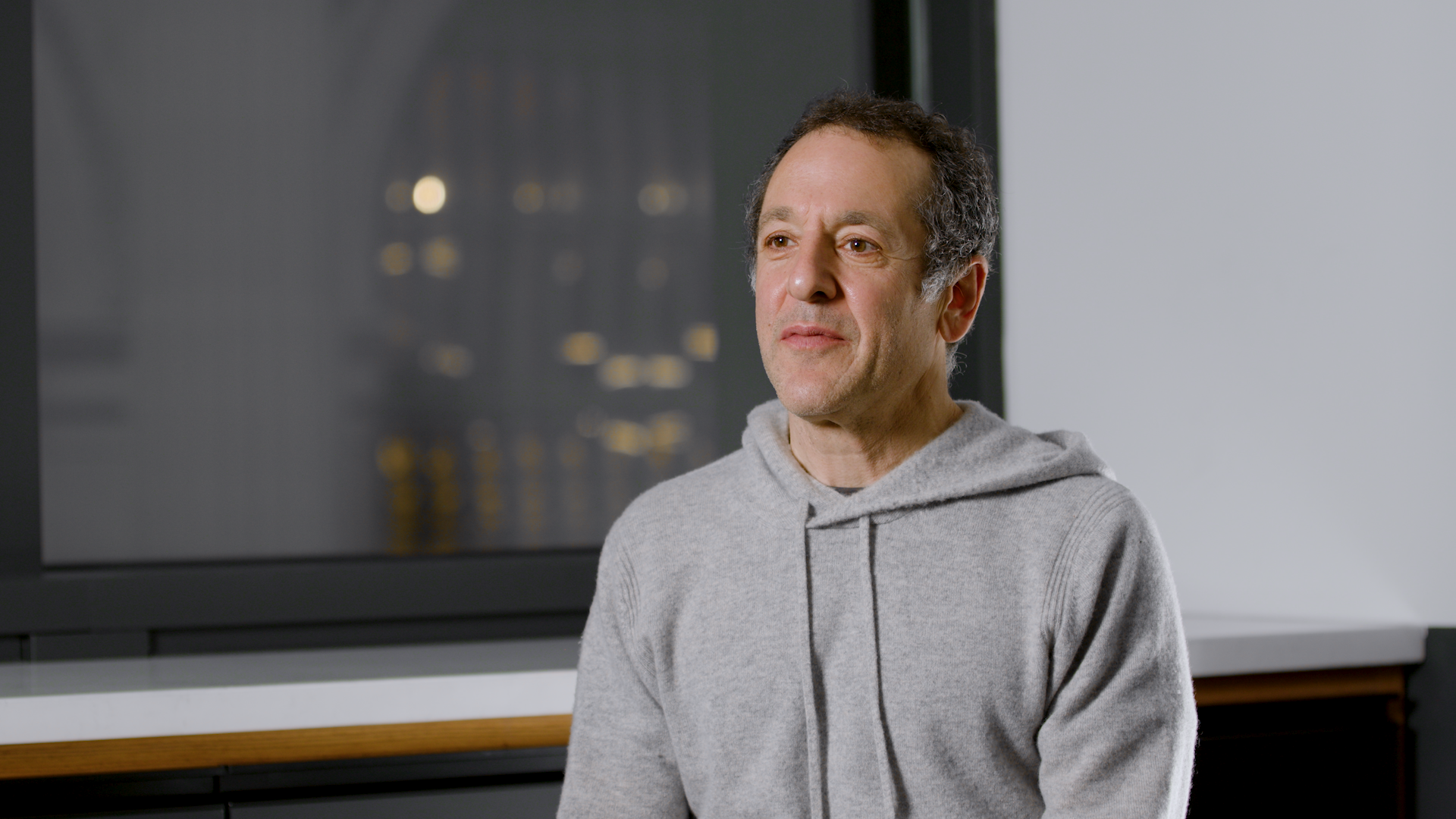
Gideon Berger of Blackstone discusses temporal diversification in private markets.
Key Takeaways
- Gideon Berger, former head of hedge fund solutions at Blackstone, explains vintage diversification.
- Vintage years are the year that private funds begin investing.
- Vintage diversification is the idea of diversifying your investments through time in private markets investments (similar to the idea of dollar cost averaging in public markets).
- Diversifying across vintage years helps investors be more agnostic to valuations at the specific times their funds are deploying capital/exiting investments.
- You get some natural temporal diversification in private markets because fund managers invest over several years, but he suggests deploying capital across 3-5 vintage years when investing in funds.
Transcript
My name is Gideon Berger. I spent basically my entire professional career, 19 years, at Blackstone, in our hedge fund solutions business, known as Blackstone Alternative Asset Management.
I genuinely think it's prudent to just spread your investments out over time, just the diversification in a portfolio context. There's the same notion of temporal time diversification. And so if you were to allocate, if you set out willing to put 20% in illiquid stuff and then you allocate 20% today. Well, that means if prices go down a lot, you're not allocating tomorrow and you don't want that.
You never know if this is a good time to invest in private equity or venture or whatever. I mean, even today, where people are saying that, for example, venture valuations are super high. Well, a) maybe they are, maybe they're not. I mean, who really knows? That's number one. And number two, if you allocate to a venture fund, hopefully you've identified folks who are smart enough to pace their own investments, depending on valuation. So even if you allocated money to a venture fund, if valuations are stupid high hopefully that venture capitalist that you've selected is smart enough to say, you know, we're not going to rush to allocate this money, and if things are cheap, they'll be more aggressive. So you get some governing of the pace of capital by having a good partner.
If you think about a venture capital fund or a private equity fund or a real estate fund, they tend to raise money and then be back in the market, raising money for the next fund, sort of three or four years from now. I tend to think about that, you know, sort of three to five years as the cycle and and they tend to hold things for a similar period of time, maybe private equity, a little shorter venture capital, maybe a little longer. But if you think about sort of a five year cycle and you allocate money, you know, 20% over five years and expect to get money back kind of over five years, it creates a nice cycle, by which you're getting money back, reallocating it and maintaining roughly that 30% of your portfolio in illiquid.
I'm a big believer in not trying to be too smart in terms of timing. Spread your bets over multiple vintages. Don't think that you have an edge on knowing when it's a good time to do this stuff. Do it with the right partners and don't put all your eggs in one basket because no one's that smart.
Important disclosures
Opto Investment Management, LLC (the “Firm”) is a wholly-owned subsidiary of Opto Investments, Inc. and is an SEC-registered investment advisor. Registration with the SEC does not imply a certain level of skill or training. SEC registration does not mean the SEC has approved of the services of the investment adviser. This website is operated and maintained by Opto Investments, Inc. Certain products described herein and institutional relationships may involve investment advisory services provided by the Firm. This website is presented for financial institutions and investment professionals only and is not intended for individual consumers or retail investors, unless specifically noted. Unless otherwise indicated, commentary on this site reflects the personal opinions, viewpoints and analyses of the author and should not be regarded as a description of services provided by the Firm or its affiliates. The opinions expressed here are for general informational purposes only and are not intended to provide specific advice or recommendations for any individual on any security or advisory service. It is only intended to provide education about the financial industry. The views reflected in the commentary are subject to change at any time without notice. While all information presented, including from external, linked or independent sources, is believed to be reliable, we make no representation or warranty as to accuracy or completeness. We reserve the right to change any part of these materials without notice and assume no obligation to provide updates. Nothing on this site constitutes investment advice, performance data or a recommendation that any particular security, portfolio of securities, transaction or investment strategy is suitable for any specific person. We disclaim any responsibility for information, services or products found on linked websites. Images and photographs are included for the sole purpose of visually enhancing the website. None of them show current or former clients and should not be construed as an endorsement or testimonial. All investing is subject to risk, including loss of principal. Historical performance is not a guarantee of future performance and clients may experience different results. This information contains certain “forward-looking statements,” which may be identified by the use of such words as “believe,” “expect,” “anticipate,” “should,” “planned,” “estimated,” “potential” and other similar terms. Examples of forward-looking statements include, but are not limited to, estimates with respect to financial condition, results of operations, and success or lack of success of the depicted investment strategy. All are subject to various factors, including, but not limited to general and local economic conditions, changing levels of competition within certain industries and markets, changes in interest rates, changes in legislation or regulation, and other economic, competitive, governmental, regulatory and technological factors affecting operations that could cause actual results to differ materially from projected results. See related disclosures at https://www.optoinvest.com/disclaimers.