%20(1).png?width=600&height=338&name=menu_thumbnail%20(4)%20(1).png)
%201.svg)


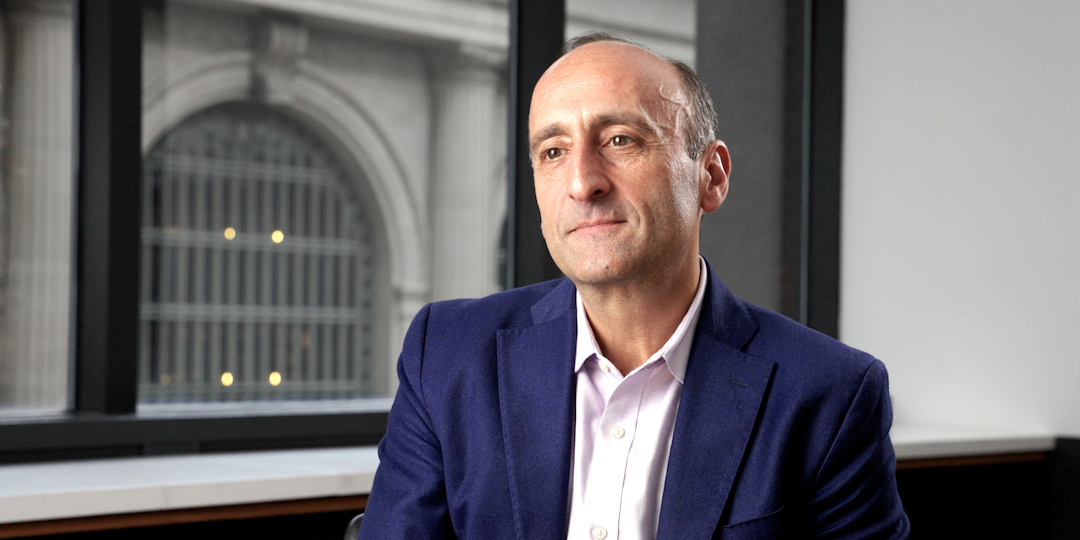
Opto CEO Mark Machin and Chairman Joe Lonsdale discuss the state of the market.
Key Takeaways
- Mark Machin (Opto Board Member) and Joe Lonsdale (Co-Founder, Chairman of Opto) discuss where alts can be additive to portfolios in current market conditions.
- They talk about a “barbell” strategy with alternatives: splitting one’s alts portfolio into a defensive safety bucket and an aggressive growth bucket.
- Senior debt capital to middle market companies is an attractive downside-protected strategy as banks are not as willing to lend to the middle market creating a need for private credit.
- Another attractive defensive strategy is asset-backed lending, which is where a fund lends against a company’s hard assets, so if the company goes under the lender still can receive payment in so far as it can secure and monetize the hard assets.
- Private credit is attractive as higher interest rates means less funding sources available for companies. This creates a lender-friendly environment and there is greater flexibility to move around the capital stack and negotiate terms to protect downside.
- Early-stage VC is an interesting growth strategy. Although macro environments are choppy in the near term, VC is a 10 year bet on innovation with exciting avenues on the horizon: biology, defense, cloud, AI, advanced manufacturing, etc.
Transcript
Joe Lonsdale: I'm Joe Lonsdale. I'm the co-founder and chairman of Opto. I'm excited to be here today with Mark Machin. And Mark, you ran CPPIB before, what was CPPIB? It's one of the biggest pension funds in Canada.
Mark Machin: Yeah, well, it's fantastic to be here. Thank you, Joe. CPPIB was the biggest pension fund in Canada, it essentially managed all the money that was not immediately needed to pay pensions for the national pension system. But it was a standalone entity completely separate from the government. It was run on basically commercial principles, it had a simple mandate, which was to maximize returns, and we had free reign to invest in whatever we wanted, wherever in the world, and to hire very big investment teams. We had 2000 people, and about 65 different investment teams across different products and strategies.
Joe Lonsdale: 65 investment teams. So Canadian pensions, unlike some in the US and other places, like you were part of Goldman Sachs before, they're hiring the best and the brightest, they're paying people a lot of money and a lot of people are coming in just to serve their country there. It's kind of a mission-driven thing for a lot of people, right?
Mark Machin: Yeah. I mean, it's partly mission driven for, certainly for more senior people. They're inspired because it's one of the great assets of Canada, but it also pays reasonably well. I could be competitive with people up to sort of managing director level for investment banks and other funds around the world. But you know, beyond that, the senior level, you're doing it because of the mission and purpose, which is, you know, looking after retirement savings for 20 million people.
Joe Lonsdale: But you guys are spending hundreds of millions of dollars a year on talent overall.
Mark Machin: Oh, yes. Absolutely. Yeah. I mean, we were paying competitively for the 2000 people that we had here.
Joe Lonsdale: So CPPIB is famous for having a strong alts program. For some of our listeners. The question is: what are alts? What were you guys doing?
Mark Machin: Sure. I mean, there's no exact definition for alts, but it really is anything other than a traditional stock and bond investment. So we at Opto are defining it for our initial offering as things like venture capital, private equity, real estate, infrastructure and private credit. These investments that are typically private, they're ones that require patience that they compound over time and they don't trade on a daily basis. There may be some liquidity provision that you can have over time. They are somewhat on a daily basis less correlated with stock and bond movements. And that's sort of a broad definition of alternative, anything that's not sort of straight forward stock and bond investment.
Joe Lonsdale: 2022, for example, is one of the worst years for just stock and bond. Stocks are down, I think, today we're filming this they're down about 23% total. The average bond portfolio is down about 16%. This is one of the worst, worst years. But there are some people in alts who are still doing alright this year.
Mark Machin: Yeah. So it's one of the few places where you can hide somewhat from what is a really, really tough macroeconomic environment. 60/40 is down 25% in real terms this year. And whereas, you know, these private investments are a little more shielded from that. Yes, they do correct in valuation over time, but generally there's much more opportunity for value creation over time in these private investments, which is something, you know, you know a lot about.
Joe Lonsdale: We have some strong opinions, too. So 60/40 to put it forward to people, typical registered investment advisor might be 60% in equity, 40% in bonds. In real terms, that's down 25%. So with inflation adjusted, you've lost a quarter of your purchasing power, if you put that in there, pretty rough year. And so the question is, what should people be doing? How should we look at alts? One of the things we talk a lot about now at Opto is the barbell strategy. And barbell is there certain areas where you could take big risk and build wealth long term. There are certain areas where you can get safer returns and keep your money. So let's start with the safer, but what is safe in this environment? What are the safest things to be doing now in barbell to still make returns?
Mark Machin: Yeah, safer things to do are more real assets. So things like real estate and infrastructure and real estate very selective because there's areas of real estate obviously that are going to be probably quite.
Joe Lonsdale: And real estate infrastructure is still owning the equity, it's still risky.
Mark Machin: It's still there's more of an income element to still owning some equity, but it's more there's some income element to it. You know, for example, if you've got steady ramps that are increasing in line with inflation in the right assets, if you've got infrastructure where you were in assets where the toll saw, the tariffs are increasing with inflation, then then of this type of stagflation environment we're in, it can be somewhat protected. But one of the most interesting areas is credit right now. In credit, we really like the credit area where we're seeing the banks somewhat pull back. We're seeing more opportunities for the fund investors to find interesting opportunities. Terms are becoming much more friendly for the lenders. It's been an extremely competitive environment for lending in the last several years, and terms became quite loose. They've become much more attractive for lenders right now, and so there's much more opportunity and there's much more flexibility in credit to structure an investment so it's more protected from downside.
Joe Lonsdale: The equity part of the capital stack, you know, the equity part of the capital stack, you can have mezzanine riskier credit, you can have much safer credit. And so what types of things are we looking at now in the capital stack?
Mark Machin: So we're looking at things within that sort of middle of the capital stack towards the more senior end of the capital stack.
Joe Lonsdale: More senior meaning more protected.
Mark Machin: The very, the most protected end, then, you know, that's still, you know, a fairly fairly competitive space.
Joe Lonsdale: Got it. Banks are still willing to do the crazy protected things that they're for, very low return. But if you're really smart and you take things that are still quite protected but not all the way at the extreme. That's where some of the most interesting returns are.
Mark Machin: Correct.
Joe Lonsdale: And that's partially because I guess you'd be talked about for reasons you mentioned. One is the banks are pulling back. They're not giving as much money to these spaces. Yeah. Two, like just in general with higher interest rates, there's less money around. So people need money more both because the banks boss otherwise and then basically. So the terms are shifting to be much more lender friendly so you're able to get higher returns for the same risk. And then on top of that, you have flexibility to move all around the capital stack to kind of select these things.
Mark Machin: Yeah. And to create the protection that you want. So whether it's within the company or can even be outside of a company, you can be lending against, you know, assets that you know one of the principles the company has, for example. Or you could be lending against, you know, some of the some of the physical assets they have within the company that are, you know, less traditional to lend against, which is one of the funds we have on the Opto platform is looking at those types of investments.
Joe Lonsdale:What's an example of something less traditional to lend against?
Mark Machin: Something, one of the funds we have on the platform is Tacora, which was founded by Keri Findley, who is one of the smartest investors in the space around and was one of the, was the head of credit at Third Point. And she's now set up her own fund and she's looking at doing asset backed lending for sort of smaller companies and particular lending against assets that are less traditional.
Joe Lonsdale: So, so buys a bunch of someone computers or desks or.
Mark Machin: Correct.
Joe Lonsdale: Or whatever.
Mark Machin: Rebar they want. And one of the examples of one of the deals that she did previously was lending against the rebar steel that, you know, a company that was involved in construction was involved with all involved in robotics. And they have this huge amount of rebar that they could. She found it an interesting way of lending against because it had some predictability and value.
Joe Lonsdale: So people need money more than usual. So they're willing to pay a decently high interest rate, maybe 10, 11, 12% or whatnot. But then also willing to secure the money you're giving them not only against the company, but against some of the assets that make it. So even if the company screws up, there's a really good chance of getting your money and your interest back.
Mark Machin: Exactly. Exactly.
Joe Lonsdale: Yeah. And obviously, it's up to someone like Keri or whoever's running the fund, which we have to select to make sure that they don't do a bad deal. How do you select these funds? Like what are the types of people we should be looking for?
Mark Machin: It's a first-time fund like Keri's fund in Tacora, then we look at what her track record was before when she was at her previous places. We look at the people that she'd put in the company. If it's a fund, one of the other funds we have on the platform is from HPS, which is one of the largest, largest credit groups in the world, and that's backed by Scott Kapnick, who first was at Goldman Sachs many, many years ago with me and Scott French. And they've been in this business for the last 20 years. They have a track record that you can see consistently.
Joe Lonsdale: You see how they did in 2008, 2009, what risk they took.
Mark Machin: Exactly. And they have a loss rate of, I think around two basis points.* You can see that track record through these downturns and what they've done and how they've managed to protect their investors money during these downturns. I mean, one of the things we look for, particularly talking about this macroeconomic environment, it's likely to be a pretty challenging environment for the next few years is you want people who have experience of even when things don't go right, being able to restructure deals and protect investor money and so having an in-house restructuring teams who can do that, they'll.
Joe Lonsdale: They'll step in and they'll work with the business. They'll figure out how to make it work well enough to get your money. So when the business is not doing well, the credit holders basically take over from the equity guys.
Mark Machin: They can take over or they can go further up, you know, as we say, further up the capital, you know. You know, they can take more of the company's equity.
Joe Lonsdale: Sometimes when things go badly, credit does really well because they get to own more of something and fix it.
Mark Machin: Absolutely. So if the people that we know through, you know, our networks who we have high conviction in being savvy investors then and they're in that fund, and that's something that's really, really a positive. Same thing, we will do at Opto, we have obviously, you know, that network of smart sort of billionaires, if you will, who know, you know, the businesses, know the investors from previous experience have sat on the opposite side of the table or the same side of the table or, you know, have a real life experience.
Joe Lonsdale: You want to know people are well before you give them money.
Mark Machin: And the same thing, you know, I will check through the asset owner network around the world and people who are big LPs in these funds and what experience they've had and what what we might have missed through all of our analysis and all the external consultants we use. It's not for a trade. This is not this is not a trade that's going to be over in three months.
Joe Lonsdale: You're trusting them to manage it for years.
Mark Machin: They've got to deploy the capital, manage the capital, and they've got to realize the capital and get it back to you as an investor. And so, therefore, you want a team that's going to be stable through the bumps and ups and downs of whatever can happen over the next few years.
Joe Lonsdale: And, you know, and it makes sense credit right now, I know a lot of big players in that space who were mentors and were friends and they say they're seeing deals right now they haven't seen at all for a very long time. So it seems like a very exciting and I know I myself am starting to put more money into that area as well, backing Keri and others.
Mark Machin: Yeah, I mean, it's a really interesting area. I think it's going to get even more interesting. And again, one of the benefits of having, of investing in these funds is you're not making a market timing decision. You personally as the an investor will be all right in the end. Investor, you're not putting a trade on at that moment. You're putting the money in the hands of people who will then find the opportunities patiently over time and find the right timing to actually put the investments on. And that that's so. So you have to find the best professionals to do that for you. So that's the beauty of having, you know, having these private fund structures rather than just putting on a bond, buying a bond in the market or buying a stock in the market at that point in time. So we're trusting the folks at HPS and Tacora to decide, you know, when is the right time. So it looks interesting right now. I agree with you. Right. The second I think it could get even more interesting and it's for these folks to find and negotiate and structure the right opportunities over the next two or three years.
Joe Lonsdale:And as we have more demand, we'll add more funds. How do people invest in these credit funds through Opto? What's this look like? What are they doing?
Mark Machin: Yeah. So they invest in the vehicle that we structure that will be dedicated to invest in this fund. So.
Joe Lonsdale: So let's look at assets. Let's say they invest in a vehicle and they get either one fund or multiple funds if they want.
Mark Machin: Right. So what we're trying to do at Opto is be a source for the best customized allocation for each of the RIAs and their investors. So every investor that an RIA is managing money for may have different exposures. They may, you know, they may have a family business that's in real estate or they may have some existing exposure and maybe they already have something in private equity. Maybe they have a big equity.
Joe Lonsdale: Maybe they have way too many tech stocks like me.
Mark Machin: Exactly. Exactly. So we know. So we want to work with the RIA to help them structure what would be most appropriate as an allocation to alternatives that will enhance the risk adjusted returns for your end investor over time.
Joe Lonsdale: And there's 70 or 80 RIAs just even early on now already using the platform.
Mark Machin: A little bit more than that today. Yeah. And so we've been very excited with the engagement we've got. We've been out in sort of stealth mode since just before the summer. We came out of stealth, as you know, in September. And we've been really excited by the interest from RIAs who I think there's nobody else that we've found who is on the side of the RIA and dedicated to that, to helping the RIA access alternatives across the board and really 100% focused on the RIA and the success of them and their customers.
Joe Lonsdale: So rather than trying to make money selling funds people might not want. You're trying to partner with the very best funds to give the RIA the very top things. And these funds aren't even paying for it because they get money anyway but they're willing to work with us.
Mark Machin: Yeah. Right. So you know there's a lot of people out there who are trying to help GP's raise money and. So there's people who you're raising money for private equity funds, raising money for other people, raising money for you and you know people well, you know, so but the challenge as an RIA is if you approach those platforms, one, you're not sure which side of the table people are sitting on when they're dealing with you. And two, it's like walking into a supermarket. It's like walking into a Wal Mart. There's a lot of products. There's no there's nobody is really going to help differentiate or structure just for you and your clients.
Joe Lonsdale: So the goal of Opto is to be a trusted partner and be on the same side of the table as the RIA and their clients.
Mark Machin: Yes.
Joe Lonsdale: So let's say I want a barbell exposure. Barbell means you have something much safer. Seem like there's some really smart credit things right now. What are, are other riskier things you should be doing now in 2022? It's a scary time ahead. How are you thinking of this?
Mark Machin: I mean, you should talk about venture capital and we're very excited about venture capital. We have a collection of four what we think are first class venture capital funds on the platform. Right now. We package them together into one vehicle. But, you know, you know a lot about venture capital. And I'd be interested in your view. We think it's a very, very interesting time.
Joe Lonsdale: Yeah. No, there's a lot of innovation still going on in the world. Right. So the financial markets are in a volatile time, but there's new things that are possible in the revolution in biology, in areas of defense that are very interesting, in areas of advanced manufacturing with obviously with cloud and AI, there's still so many big businesses being built. And you see throughout the last few years, businesses continue to hit their numbers to grow. You have very high growth small businesses. Now, people paid a lot for some of these businesses who were late stage investors the last couple of years. So when you have the big hedge funds, big private equity funds coming into venture capital, paying out for some of those high growth companies, those guys, they might not make a lot of money based on the checks they wrote the last couple of years. They paid too much. But if you're back in the very best early stage venture capital firms, you're backing the people who have in the past backed things quite early to succeed. That's a good thing to do. So venture capital one of the interesting things about it has the highest auto correlation of any major asset class.** And what autocorrelation is is that the people investing, you know, investing early and well in venture capital, they continue to have correlated returns. It doesn't mean their…
Mark Machin: Consistency through vintages.
Joe Lonsdale: Consistency through vintages. It doesn't mean they're always going to do well. Obviously, if they you know, if one of them gets divorced and runs off on a yacht with a mistress or something, maybe, maybe that's, you know, who or whatever. There's examples of why people would, like get to go off in their careers and not do as well. But if they're still disciplined, if a team is still there, if they're if they're doing, you know, doing what they know well, they haven't raised too much money, then I think you ought to keep backing the winners.
Mark Machin: And one of the reasons for that is it's partly a network effect of if you have been successful in building companies and creating, you know, successful entrepreneurs over time, that they you know, there's a networking people come back to you. Or is it also, you know, the skills that you develop in the pattern recognition you have of course correcting companies in the early stage and building them?
Joe Lonsdale: So one is, you have a network of talent. Two is you have a brand where people are gonna come to you again. You've been tied to successful things, you've helped them. Three is if you're helping in any kind of industry for business development. So for example, you know, at 8VC we get to be really close to all the guys who run the logistics industry. We get to be really close with all the people running different things in finance, and that becomes an advantage in that you can access the next time, like we know how to work in defense and very few people do so. So you learn the industries, learn how they work. And then and then also, yeah, you learn how to build companies, learn how to course correct. But, but, but I think it's a combination of things and but for whatever reason, it tends to be that the winners keep winning. So you really want to back and find the winners. Doesn't mean you can't back a first time fund, but the person running the first time fund better be somebody who's had a bunch of big wins in their career, both as an entrepreneur and as an investor. I think it's irresponsible to back someone who's just an entrepreneur. So the entrepreneurs tend to be the best investors, but they should have already had a lot of practice. They should've already had two wins with their back and top people. And, you know, when you take someone like like Wes Chan, who is, you know, early at Google and built a lot of important things there, he's backed, you know, on the order of 20 of, you know, top unicorns early in his career, unicorns being companies that became worth more than one billion dollars. And, you know, he was at Felicis, was a top guy there, when he starts a new fund, which I think is one of the funds on the Opto platform, that's something that's very exciting to me. This is a great guy, something I'm invested in. It's like getting access to that was pretty quickly subscribed, right? Yeah. So, I think things like that are really key. Yeah.
Mark Machin: I was going to say one of the things I've said to RIAs is that in VC in particular, there's been a huge amount of luck over the last 15 years or so. And but there's also, you know, there's that, there's that tier of skill and trying to differentiate the luck from the skill. You know, a lot of people have just have a lucky you know, if you've had a broad pool of investment in venture capital and you might have one hit or even possibly two hits, but trying to differentiate who's got the skill consistently versus the luck, if you just look at track records till the end of 2021, that that that's really, I think, valuable because most people, you know, they look at V.C. and there's so many managers is very difficult if you just look at track records to differentiate. I mean, I think that's why, you know, you and your network, it's very, very powerful to say Wes Chan, here's someone who's got this track record is really real. You've been on the same side of the table with them opposite him, works alongside him on paper.
Joe Lonsdale: He's somebody we want to bring in the things we bring in each other. Yeah. You know, I think when you look at the track records of these funds, there's certain people who got one hit and it paid for all the bunch of mistakes. You tend to want to have a long tail of things that worked. You want to have a relatively, even the best folks have a relatively small loss ratio. They still have some losses because they swing for the fences and things don't work and that's healthy in VC, it's not like credit, but you tend to have a whole lot more stuff that works versus a little bit of luck, you know. And there's other things, you know, I think right now is a particularly good time because there's certain areas where companies need to save money and they need to adopt new technologies. So this is very interesting. It's not when you're betting on small, new, innovative companies, you need people to be willing to try something new. And a lot of companies, they're suffering because need to cut their budgets. They need to save money. So it's actually a great time to get people to adopt technology. it's not that technology cost them more. It actually saves them money, but requires more work, which people are willing to do right now. You know, I think it's also cheaper to build right now in this economy.
Mark Machin: I was going to ask about that, the early stage versus, you know, sort of super late stage VC you touched on a little bit earlier but you know, I in most of the funds that all four that we have on the platform right now relatively early stage funds. Which one of the reasons why we wrapped them together you know that that versus late stage. How do you think about that in today's environment?

Joe Lonsdale: Well, the top of the early stage VC has worked quite well for a very long time.*** I mean, there are a couple new ideas, like the bubble itself was a little bit of a tough time. But even so, like almost all of the last 30 years, it's been a good asset class to be in with the top funds. And it's because you're actually creating value. You're not. It's an asset class, but it's an asset class where you're building, you're creating, you're taking inputs and you're and you're putting things out based on what's newly possible. There's a lot that's nearly possible now. There's a lot of ways to harness these resources in the economy. There's a lot more talent around than it was before. That talent's a lot cheaper than it was like we had. There was crazy bidding wars for talent a couple of years ago when all this money was flying around. Whereas the late stage is a very different asset class, late stage, it looks a little bit more like, you know, public growth technology investing in it, and especially because they've got very, so much money. It got to be a very crowded asset class where people are willing to, I mean, in 2021, they just paid almost twice as much for everything. And because there was so much money chasing a similar set. So you see the graph that all of a sudden it spikes being can show where there's like so much more money. There is not because there are so many more companies. There's just assigning a lot more money. And so and so the difference in the early stages is not even really well defined enough for the really late stage guys can play effectively. Some of them have tried to come down into that, but you've got to really do it right. You have to be builders is a lesson. And so backing the builders who know how to do this, who know how to take people, put them together, create these things like that, that's generally always a good thing to do. And it's, it's, it's betting on the future of our economy in five, ten years, a venture bet is a high risk, high return bet for the next decade. And so what you're betting on that our economy's going to be around and this new innovation is going to be needed in a decade. I think that's, you know, as much as I'm also worried about the next few years and have a lot of, you know, safe credit stuff, I think betting on ten years from now, eight years from now, it's a great thing to do.
Mark Machin: Yeah. And I was just going to ask you about that as well, because, you know, people can get very gloomy looking at the macro environment or and also gloomy about, you know, if you look at listed technology stocks and how much they've sold off over the you know, over the last year, you know, they say, well, well, maybe the wave of innovation is over. I mean, you clearly don't agree.
Joe Lonsdale: No, it's I mean, there's a ton of new possibilities in biology that we're learning more every month in biology that we use to learn every couple of years now with all the new tools. There's all these new cell therapies, we can program cells to treat things. We're already saving lots of lives. There's hundreds more being worked on. So they aren't just innovation in biology. There's tons of new possibilities in defense, which are very exciting with companies like Anduril and Epirus and so many other things there. There's like the role of logistics is still being transformed right in front of our eyes. The world of health care. Like, you know, at 8VC we built a few new health care services in the last couple of years that are hugely bringing down costs, you know, raising outcomes by aligning incentives for preventative care and for all sorts of other things going on there. Like there's all this stuff that's been kind of proven in small ways in these industries, but needs to go 100X to fix the industry and in each of these places and so many more. So there's a lot of possibilities in the venture if you're working with the best companies. That's the thing to do. The other thing I'll say is China was a really big global competitor to US technology and it was something where they were going to be fighting for. For a lot of these markets, which are huge emerging markets, huge, huge new areas of the economy. And, you know, Xi Jinping in the last two, three years, he's basically decapitated Chinese tech. There's tens of billionaires that are no longer building, no longer part of it. People are afraid to become Chinese tech billionaires now for good reason. And so I think that the game I mean, listen, there's stuff in Israel that's great. There's stuff in Europe that's not bad. But the game is in the US. Like the US is going to capture the bulk of these markets it has in the past. It's going to do that the next decade. It's a great place to be investing here.
Mark Machin:Yeah, I know you're an American Optimist. And so, you know, I, you know, I see that passion on it. You know, everything that I've seen so far from the funds that we have on the platform really reinforces that. So, you know, we're really excited to have Wes Chan's fund on the platform. You know, others like GFT, the Designer fund, the GP. I mean these are all early, early stages.
Joe Lonsdale:These are great people who are part of the substance of creating early stage companies and of mentoring them and that's what you want.
Mark Machin: Yeah, yeah.
Joe Lonsdale: So, Mark, I'm a proud co-founder of Opto with you. I love that we are aligned. I mean the goal of Opto is like to be the good guys, right? We're not getting paid by the GP's, by the funds like our, like our competitors are literally getting paid to sell stuff that might be crap. Our job is to actually just give people the very best. What else are we doing differently? How are we building this company in a way that separates it from people?
Mark Machin: Yeah, we. And this is something that is a passion for you. We're software first, so we want to be a tech enabled solution. And so we want to be an end to end solution for access to alts. We want to have on the platform. Fantastic content and insight into what's going on and also the ability to really model your client portfolios and tailor them exactly and specifically and customized for your clients. And then to be able to smoothly go end to end through transaction all the way through to reporting and analytics. And so it's an end to end piece of software that is joyful to use and allows you to, you know, really in a very smooth way get access to alternatives. The best of alternatives.
Joe Lonsdale: The goal is to take RIAs of different levels of sophistication and give the A-plus experience to them and their clients to access the smartest alts.
Mark Machin: Correct. So smooth end to end use and curated access to the best of what we can find in alternatives around the world.
Joe Lonsdale: Well, I'm very excited to go buy some more credit in VC. Thanks, Mark, for taking the time today.
Mark Machin: Thank you, Joe. Pleasure.
* In HPS SIP V, September 2021 update document, it states that “implied portfolio loss rate in event of default is 0.02% (cumulative) across Funds I, II, III and 2019”.
** See “Has Persistence Persisted in Private Equity? Evidence from Buyout and Venture Capital Funds” by Becker Friedman Institute
*** Source: Opto Internal Research from Burgiss Data. We show that, amongst the major private asset classes and sub-strategies, early-stage venture had the highest dispersion with the top quartile achieving the highest returns.